

I spent four unforgettable days exploring Zhangjiajie, the otherworldly landscape that inspired James Cameron's Avatar. Driving from Chongqing with friends, I discovered a realm where towering sandstone pillars pierce the clouds, playful monkeys roam free, and the world's longest cable car whisks you above a sea of misty peaks. From the dizzying heights of Tianmen Mountain's glass skywalk to the serene beauty of Golden Whip Stream, every moment felt like stepping into a fantasy world. If you're craving adventure that doesn't require international flights—just a tank of gas and a spirit of discovery—this hidden gem of Hunan Province delivers thrills that rival any Hollywood blockbuster.
Trip Overview
When: December (Winter)
Duration: 4 days
Travelers: With friends
Budget: ~2,000 RMB (~$280 USD) per person
Transportation: Self-drive from Chongqing (6+ hours)
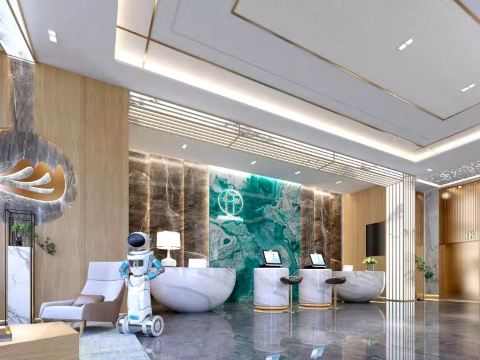
Accommodation: Qian Hotel (全季酒店), modern smart hotel with robot service
Day 1: The Journey Begins
When my friends and I piled into the car in Chongqing that chilly December morning, we had no idea what awaited us six hours down the road. The drive through the winding mountain highways of western China was an adventure in itself—tunnel after tunnel burrowing through sheer rock faces, each exit revealing increasingly dramatic landscapes.
By late afternoon, we arrived at our home for the trip: the Qian Hotel (全季酒店), a sleek, modern property that felt surprisingly futuristic for this ancient mountain region. I was immediately impressed by the self-check-in kiosks and the small robot that rolled up to deliver our room keys. The smart room controls let us adjust everything from lighting to temperature with voice commands, and that 360-degree rainfall shower? Pure bliss after a long day on the road.
🏨 Accommodation Tip
Hotel: Qian Hotel (全季酒店), Wulingyuan District Features: Robot concierge, smart room controls, self-check-in Highlight: The spa and teahouse are perfect for unwinding Price: ~300-400 RMB/night (~$40-55 USD)
After settling in, we explored the hotel's amenities. The in-house spa offered traditional Chinese massage treatments, while the teahouse served locally-grown Zhangjiajie green tea with views of the surrounding peaks. We ended our first evening with a simple dinner of local Tujia cuisine at a nearby restaurant, already buzzing with excitement for the adventures ahead.
Day 2: Entering the Avatar World
The morning mist was still clinging to the mountains as we approached the entrance to Zhangjiajie National Forest Park (张家界国家森林公园). This UNESCO World Heritage site is the crown jewel of the region, and I quickly understood why it captured James Cameron's imagination.
🎯 Practical Info
Entry Fee: ~225 RMB (~$32 USD), valid for 4 days Best Time: Early morning (8 AM) for fewer crowds Weather: December is cold (5-10°C), bring layers Transport: Free shuttle buses connect all scenic areas
Within minutes of entering the park, I encountered my first residents: the famous Zhangjiajie monkeys. These mischievous macaques have learned that tourists mean snacks, and they're not shy about it. One bold fellow actually tried to unzip my backpack! While adorable, I learned quickly to keep food secured—these guys are professional thieves.
We spent the day hiking through various scenic areas, each more breathtaking than the last. The towering quartz sandstone pillars—some reaching over 200 meters—create a landscape that truly doesn't look like it belongs on Earth. Walking the elevated pathways, I felt like I was floating among the mountains.
As the sun began to set, painting the peaks in shades of gold and purple, we made our way back to our accommodation near the park entrance. The day had been magical, but I knew the best was yet to come.
Day 3: Peaks, Streams, and Glass Bridges
Day three was packed with highlights. We started early at Yangjiajie (杨家界), where narrow pathways wind between dramatic cliff faces. The scenery here feels more intimate than the grand vistas of Yuanjiajie, with hidden waterfalls and secluded viewpoints.
Next came Huangshizhai (黄石寨), one of the park's most accessible and popular areas. The cable car ride up offered panoramic views of the sea of peaks stretching to the horizon. Standing on the observation deck, I finally understood why the locals call this "the backyard garden of Zhangjiajie."
🚡 Cable Car Information
Huangshizhai Cable Car: ~65 RMB (~$9 USD) one-way Duration: About 10 minutes Alternative: Hiking trail takes 1.5-2 hours Tip: Take the cable car up, hike down for best experience
The afternoon brought us to Golden Whip Stream (金鞭溪), a 7.5-kilometer valley path that follows a crystal-clear stream. Unlike the elevated viewpoints, this walk keeps you at stream level, surrounded by towering cliffs and lush vegetation. The peaceful sound of flowing water and birdsong created a meditative atmosphere. We spotted more monkeys here, but these seemed more content to forage than beg.
Later, we visited Shui Rao Si Men (水绕四门), where four streams converge, and continued to Tianzi Mountain (天子山) and Yuanjiajie (袁家界). Yuanjiajie is home to the famous Hallelujah Mountain—the pillar that inspired Avatar's floating peaks. Seeing it in person, shrouded in mist, was surreal.
The day's adrenaline rush came at the Zhangjiajie Grand Canyon Glass Bridge (张家界大峡谷玻璃桥), the world's longest and highest glass-bottomed bridge. Walking across the transparent panels suspended 300 meters above the canyon floor tested my courage. I couldn't help but look down, and my legs definitely wobbled!
🌉 Glass Bridge Details
Length: 430 meters, 300 meters above ground Entry: ~138 RMB (~$19 USD) Restrictions: No cameras, no stiletto heels, no jumping Best Time: Clear days for visibility, misty days for atmosphere
We ended the day exploring the Wulingyuan night market (武陵源夜市), where local vendors sold everything from hand-carved wooden souvenirs to spicy Hunan street food. I tried the famous stinky tofu—pungent but surprisingly delicious—and grilled skewers of local mountain vegetables.
Day 4: Tianmen Mountain and the Road of 99 Bends
Our final day was dedicated to Tianmen Mountain (天门山), perhaps the most spectacular of all. We boarded the Tianmen Mountain Cableway (天门山索道), which holds the record for the longest mountain cableway in the world. The 30-minute journey climbs over 1,200 meters, offering increasingly dramatic views as you ascend.
🚠 Tianmen Mountain Cableway
Length: 7,455 meters (world's longest mountain cableway) Duration: ~28-30 minutes Price: Included in ~278 RMB (~$39 USD) mountain entry Experience: Stunning views, steep ascent, not for the faint-hearted!
At the summit, we walked the famous glass skywalk clinging to the cliff edge. The mountain itself is crowned by Tianmen Cave (天门洞)—a massive natural archway that locals call "Heaven's Gate." The cave is accessible via 999 steps (the number nine symbolizes eternity in Chinese culture), or you can take an escalator system built into the mountain.
The highlight of the descent was the Road of 99 Bends (通天大道), a winding mountain road with—you guessed it—99 hairpin turns. Our bus navigated these switchbacks with practiced ease, but I held my breath on every turn. The engineering feat alone is worth the ride.
Before heading back to Chongqing, we stopped for one last meal of authentic Hunan cuisine. The region is famous for its bold, spicy flavors, and we loaded up on dishes like Chairman Mao's Red-Braised Pork and steamed fish with chopped chili peppers.
Culinary Highlights
Throughout the trip, I discovered that Zhangjiajie cuisine is a delightful blend of Tujia ethnic minority traditions and broader Hunan flavors. Key dishes to try:
Tujia Sanxia Guo (土家三下锅) – A hearty "three-down pot" stew with meat, vegetables, and local spices Stinky Tofu (臭豆腐) – Despite the name, this fermented tofu is crispy outside, tender inside Zhangjiajie Smoked Meat (张家界腊肉) – Locally cured pork with a distinctive smoky flavor Wild Mushroom Hot Pot (野菌火锅) – Fresh mountain mushrooms in savory broth
Quick Reference Guide
Getting There
By Air: Zhangjiajie Hehua International Airport connects to major Chinese cities By Train: High-speed rail to Zhangjiajie Railway Station By Car: Self-drive from Chongqing (~6 hours), Changsha (~4 hours), or Changde (~3 hours)
Best Time to Visit
Spring (April-May): Mild weather, blooming flowers, fewer crowds Autumn (September-November): Clear skies, colorful foliage Winter (December-February): Snow-covered peaks, fewer tourists, cold but magical
Money-Saving Tips
Buy the 4-day park pass instead of daily tickets Stay in Wulingyuan District for easy park access Pack snacks—food inside the park is overpriced Travel in winter for lower accommodation prices
What to Pack
Comfortable hiking shoes with good grip Layers (mountain weather changes quickly) Rain jacket (mist and light rain are common) Snacks in sealed bags (monkey-proof!) Portable charger (you'll take hundreds of photos)